
News
ODM Disputes Tribunal Removes Edwin Sifuna as Secretary General

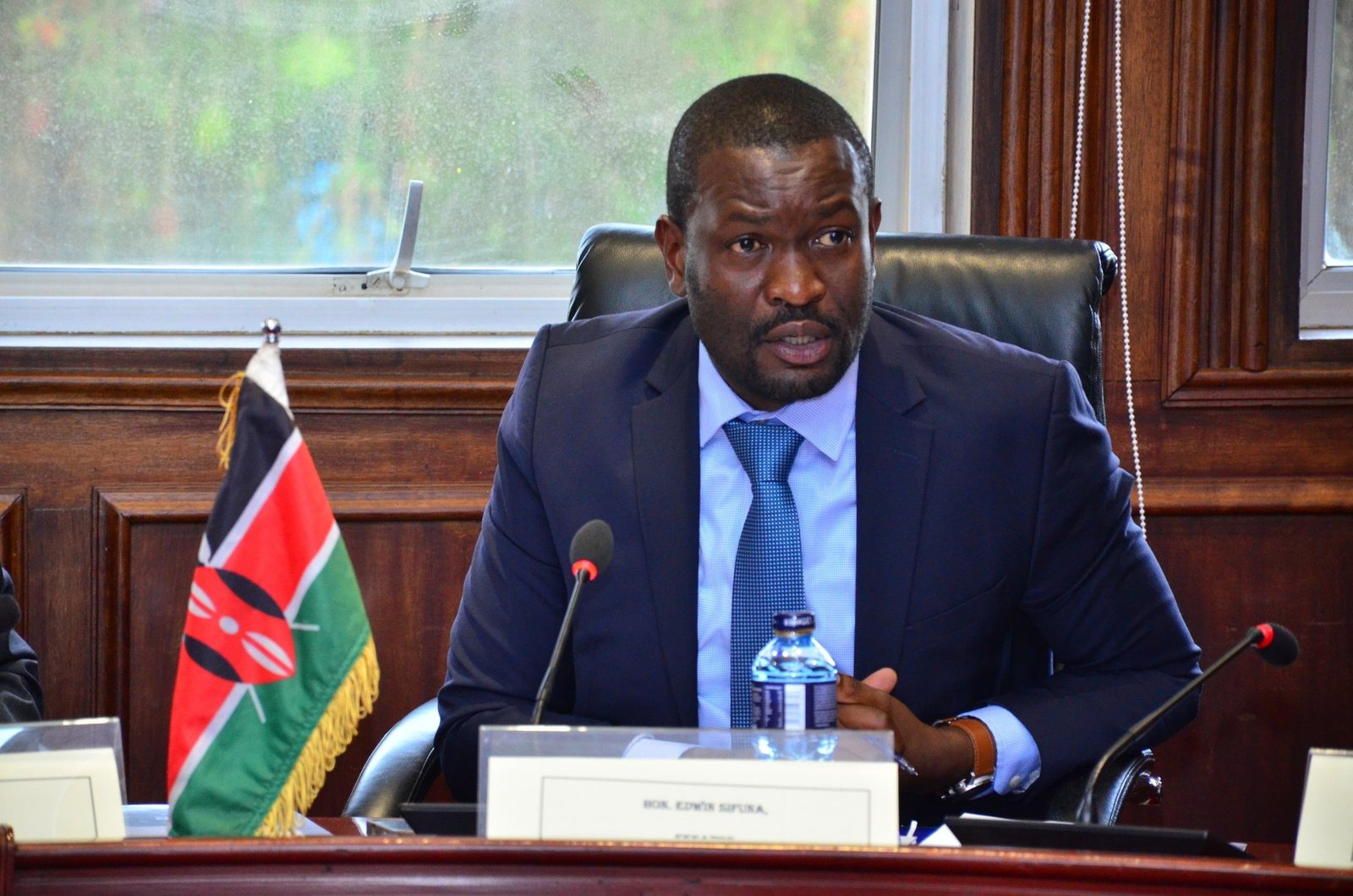
Sifuna is out.
In a dramatic move that has sent shockwaves through Kenya’s political scene, ODM has officially removed the Nairobi Senator as the party’s Secretary General following a decisive National Executive Committee meeting at Chungwa House.
The meeting, chaired by ODM National Chairperson Gladys Wanga and attended by party leader Oburu Odinga, adopted recommendations from the party’s Internal Disputes Resolution Committee, sealing Sifuna’s fate.
Acting Secretary General Catherine Omanyo confirmed that the NEC unanimously endorsed the committee’s findings, effectively ending Sifuna’s tenure as ODM’s chief administrator.
The decision comes just days after the Political Parties Disputes Tribunal ruled that Sifuna had not been given a fair hearing during an earlier attempt to remove him. However, the tribunal also made it clear that ODM was free to initiate fresh disciplinary proceedings provided they followed the law and the party constitution.
ODM says Sifuna was given several opportunities to respond to allegations against him but chose to communicate through his lawyers.
The latest development exposes deepening cracks within the Orange party. Sifuna has been one of the strongest critics of ODM’s growing cooperation with President William Ruto’s Kenya Kwanza administration, a position that has increasingly placed him at odds with influential figures inside the party.
With his removal now official, attention is shifting to what comes next for Sifuna and whether the move will further intensify the power struggle unfolding within ODM ahead of future political battles.










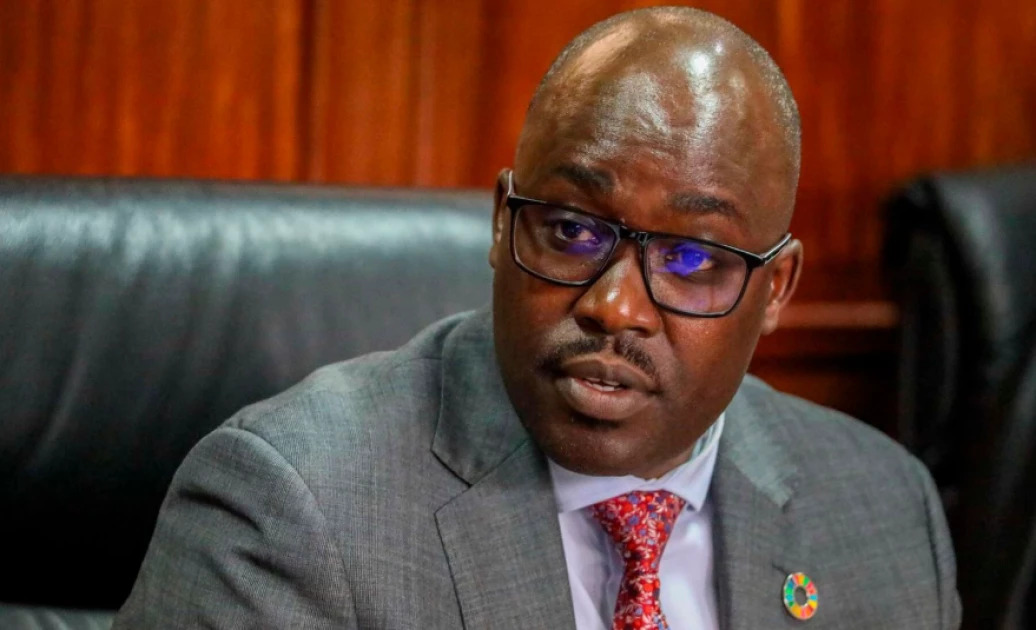
The Kenyan government has apologised to Burundian nationals following reports of harassment and confusion surrounding the crackdown on foreigners operating small businesses without the required licences.
Foreign Affairs Principal Secretary Korir Sing’oei delivered the apology during a visit to the Burundian Embassy in Nairobi on Monday, September 7, where concerned Burundian nationals had gathered seeking clarity over their legal status and safety.
The controversy erupted after President William Ruto directed foreigners running small-scale businesses without the necessary licences and documentation to formalise their operations or stop trading.
But the message appears to have been misunderstood by some members of the public.
According to Sing’oei, the confusion led to some Burundians and other foreign nationals being harassed by members of the public. The government has now moved to reassure properly documented foreigners that they are free to live and work in Kenya.
Security is also being stepped up in areas with large immigrant populations, including Bahati and Muthurwa, as foreign nationals work to regularise their documents.
The big question now is whether the government’s clarification will calm tensions after days of anxiety among Burundians and other foreign communities in Kenya.

The long-running inquest into the fatal shooting of 24-year-old protester Rex Masai has finally come to a close, two years after his death during the 2024 anti-Finance Bill protests.
The proceedings wrapped up at Milimani Law Courts on Monday, September 7, 2026, after the court heard evidence from 30 prosecution witnesses and received 48 physical and digital exhibits.
But one of the biggest moments came during the final hearing.
IPOA forensic expert Joshua Mutua told the court that crucial CCTV footage linked to the case was authentic and had not been tampered with.
According to his testimony, forensic examination found no evidence of deletion, alteration or editing of the footage.
Masai was shot in Nairobi’s Central Business District during the youth-led protests against the Finance Bill 2024, triggering public outrage and renewed calls for police accountability.
Now, the evidence has been heard.
The next step is the ruling.
Magistrate Geoffrey Onsarigo has directed the parties involved to file their written closing submissions before the court sets a date to determine the circumstances surrounding Masai’s death and whether any police officers should face criminal charges.
Two years later, the question that has remained on many Kenyans’ minds is closer to getting an answer: Who was responsible for Rex Masai’s death?
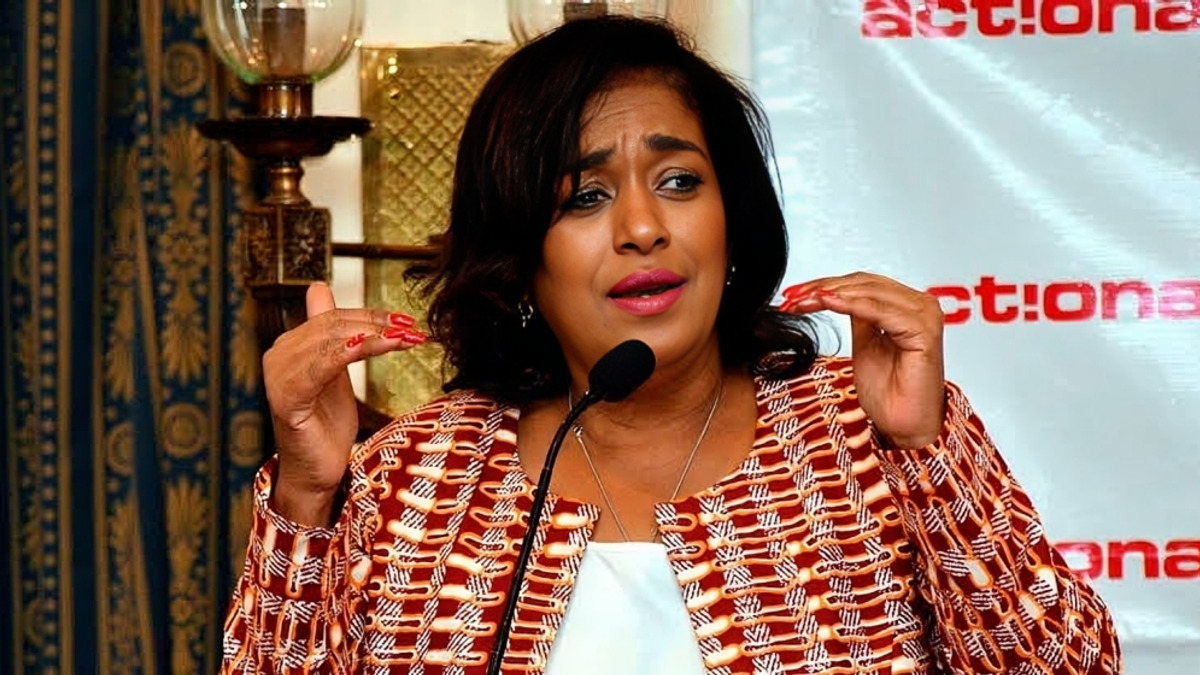
Nairobi Women Representative Esther Passaris has stepped into the heated endometriosis debate after controversial claims linking P2 emergency contraceptive pills to the condition sparked outrage online.
The controversy erupted after Andy Deh, son of the late radio presenter MC Fullstop, made the claims while discussing media personality Natalie Githinji, who has publicly shared her battle with stage 4 endometriosis.
During the Chizi Podcast, Deh blamed prolonged use of P2 for endometriosis.
The comments quickly went viral.
Kenyans and several public figures condemned the remarks, with comedian Eric Omondi calling for accountability and warning against making serious medical conditions a source of online content.
Passaris has now pushed back strongly.
The Nairobi lawmaker said endometriosis is a chronic condition whose exact cause remains unknown and noted that it was medically documented as far back as 1860, long before modern emergency contraceptives existed.
She also stressed that there is no established medical evidence that P2 or family-planning methods cause endometriosis.
In fact, Passaris pointed out that some hormonal contraceptive methods are prescribed by doctors to help manage symptoms such as pain and heavy bleeding associated with the condition.
Her intervention comes as public awareness of endometriosis continues to grow in Kenya, particularly following Githinji’s public account of living with stage 4 endometriosis.
Passaris urged Kenyans to seek medical advice from qualified professionals rather than relying on unverified claims online.
Her message was clear: women battling endometriosis need accurate information, compassion and proper medical care, not blame and misinformation.

Foi Wambui Loses Bid to Exit Mutoriah Copyright Case

Nicholas Kioko And Wambo Ashley Announce Breakup After Four Years Together

Rhema Fest founder,Rev Julian Kyula Breaks Silence on Marriage Rumours, Warns Critics: “I Will Come for You”

New Trailer For The Color Purple Movie Musical

Ant-Man 3 Producer Explains Why MCU’s New Villain Kang The Conqueror Is More Dangerous Than Thanos

“Filming The Real Housewives of Nairobi While Pregnant Is Tough” Vera Sidika
-
 Entertainment3 years ago
New Trailer For The Color Purple Movie Musical
-
 Entertainment4 years ago
Ant-Man 3 Producer Explains Why MCU’s New Villain Kang The Conqueror Is More Dangerous Than Thanos
-
 Celebrities4 years ago
“Filming The Real Housewives of Nairobi While Pregnant Is Tough” Vera Sidika
-

 Entertainment3 years ago
‘Warrior Nun’ Set to Return as Movie Trilogy After Netflix Cancellation
-

 Anime3 years ago
Miyazaki’s Final Film “The Boy and the Heron” Remains Mysterious After New Images
-

 Anime3 years ago
The Boy And The Heron: First Trailer For Hayao Miyazaki’s New Studio Ghibli Film
-

 Celebrities3 years ago
Thor 5’s New Villain Will Be More Powerful Than Hela
-

 Anime3 years ago
Showmax Sets First Original 2D Animated Series ‘Twende,’