
News
Apology or Damage Control? Sammy Kioko’s Sister Sparks Online Storm After KSh19M Dispute Video

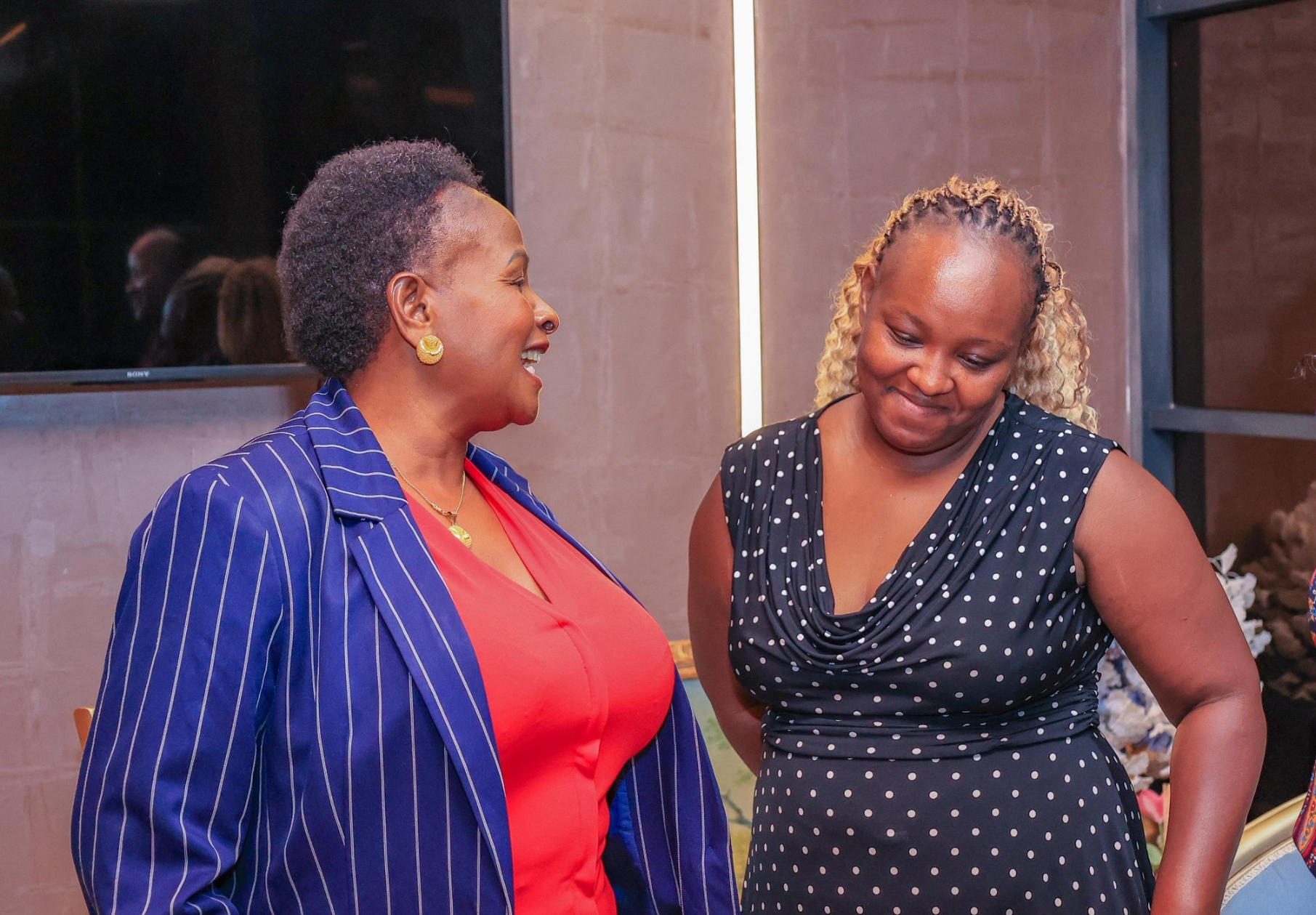
It started with a video. Calm tone. Direct eye contact. And an apology that instantly split the internet.
Sammy Kioko’s sister is now trending after posting a public apology over the messy KSh19 million dispute involving Wavinya Ndeti. The clip shows her owning up to how the situation was handled and confirming she had already met the governor for talks.
That video? It blew up fast.
Within hours, TikTok edits, reposts on X, and WhatsApp forwards had people picking apart every word. Some praised the apology as mature and overdue. Others weren’t buying it.
One comment summed up the mood: “So now we apologize after going public?” Another user wrote, “This feels like pressure, not accountability.”
Receipts didn’t help. Screenshots of earlier posts and statements started resurfacing. People pointed out contradictions. Some even claimed parts of the original narrative had quietly disappeared online.
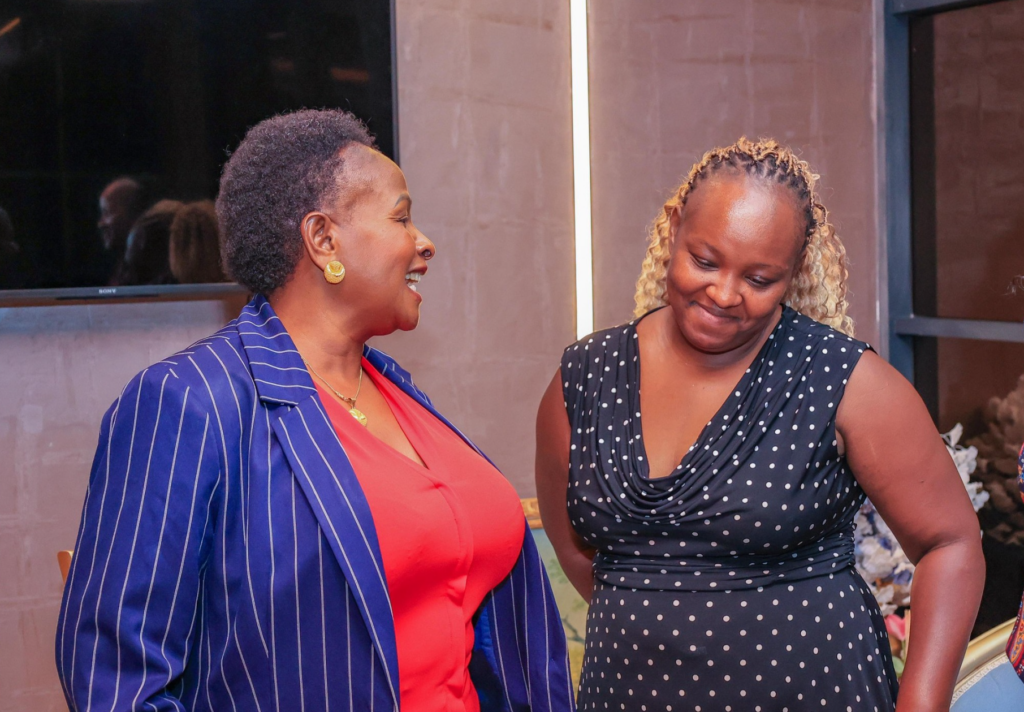
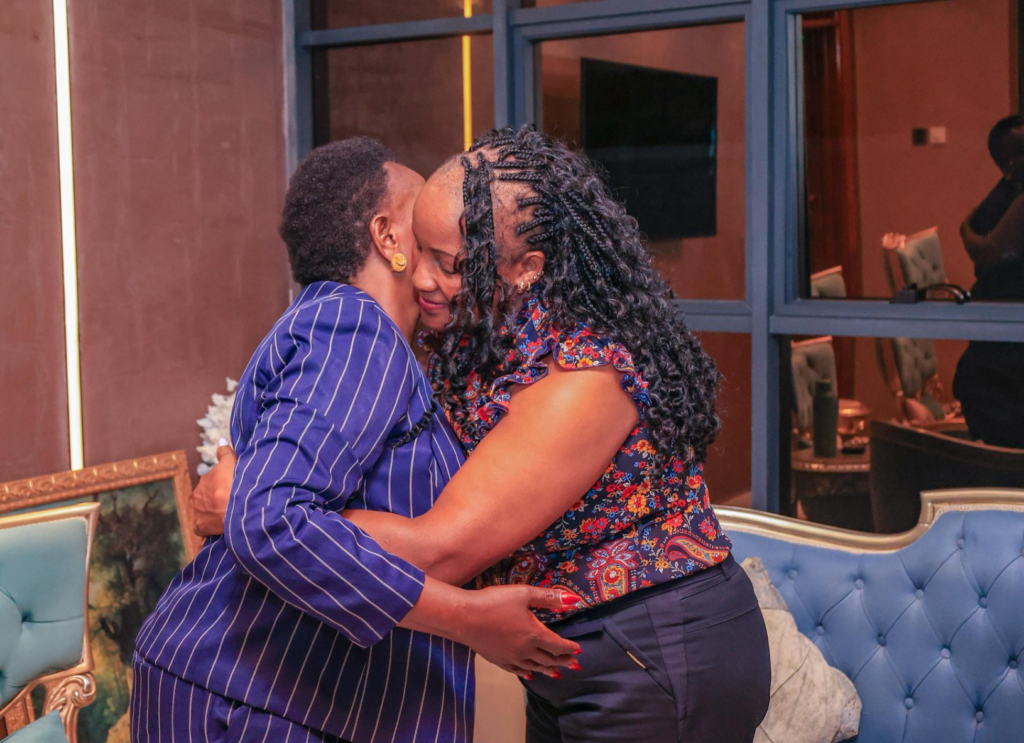
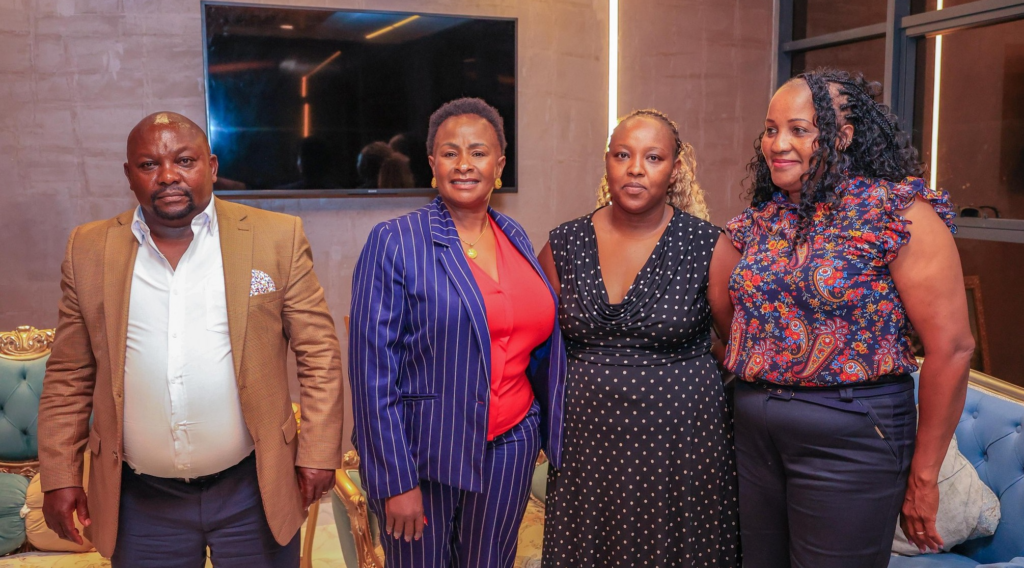
Then came the meeting photos.
Images of her sitting down with Wavinya Ndeti shifted things slightly. The setting looked formal. The tone looked controlled. No drama on the surface. But online? Still chaos.
Supporters of the governor praised her for staying composed and agreeing to talks. Critics questioned why the dispute escalated to this level in the first place.
So far, no long statement from either side beyond the apology and confirmation of the meeting. No clear breakdown of the KSh19 million issue either. That silence is keeping the story alive.










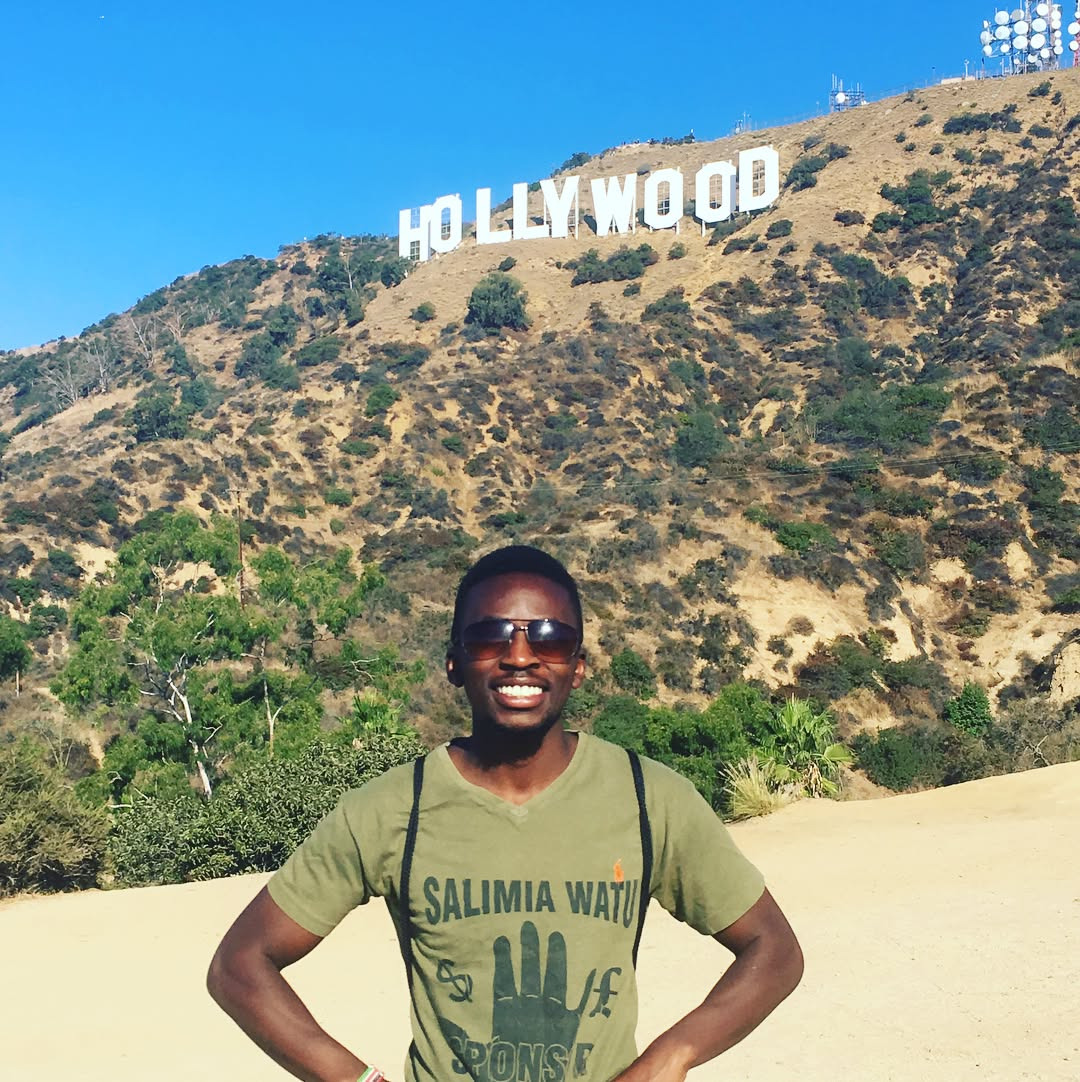
The backlash hit before the condolences had time to settle.
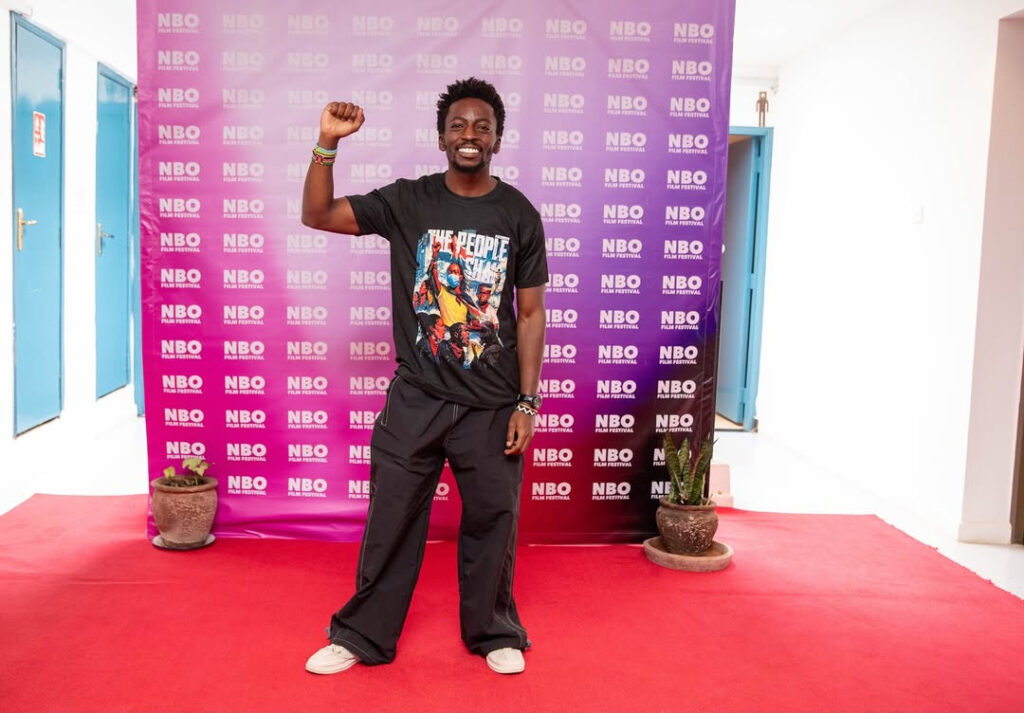
Minutes after news broke that Kenyan filmmaker Nicholas “Nick” Wambugu had died at 34, social media turned into a battleground. Not over his death itself, but over what his work had exposed and who was suddenly going quiet.
Posts about Blood Parliament began resurfacing. Old clips. Screenshots. Deleted tweets. People were not just mourning. They were asking hard questions.
What exactly happened?
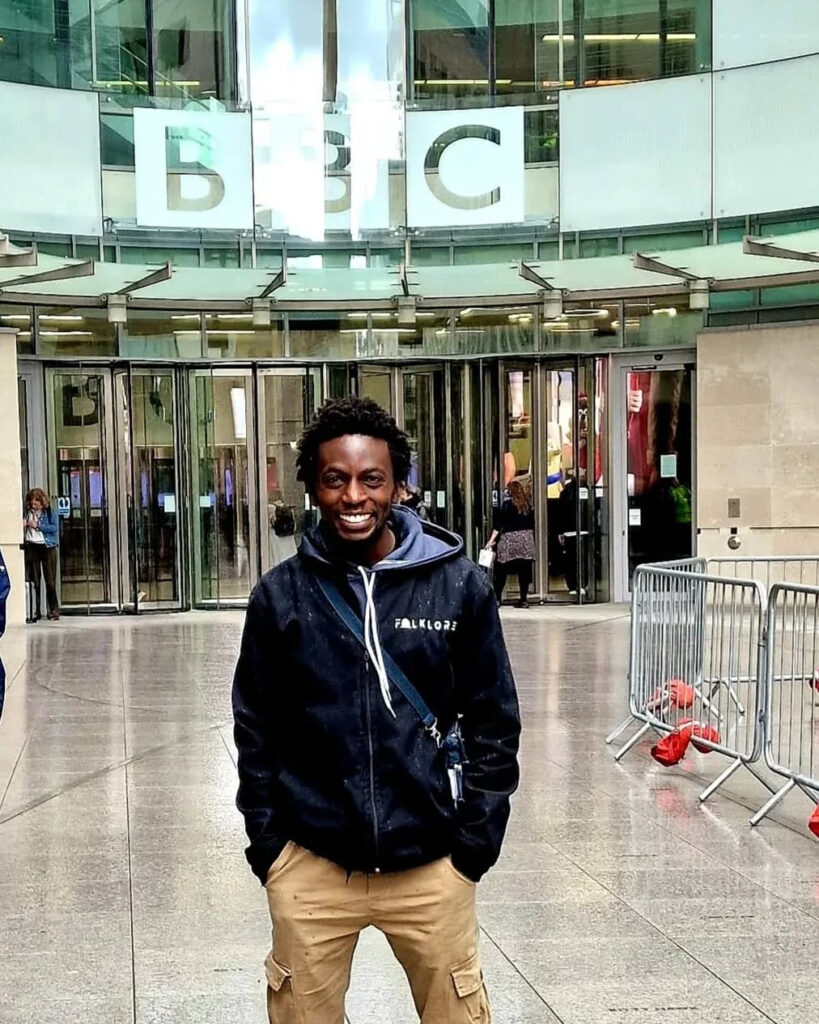
Wambugu, best known for his role in the BBC Africa Eye documentary Blood Parliament, died on Wednesday, January 7, after a long fight with a rare blood disorder. But online, his name had already been trending for months because of the film.
The documentary accused Kenyan security forces of opening fire on unarmed Gen Z protesters outside Parliament during the June 25, 2024 demonstrations. It used open-source intelligence, videos, and eyewitness accounts to reconstruct the shootings.
That film shook the country.
Government-linked accounts dismissed it. Some influencers questioned its credibility. Others went silent after initially sharing it.
Now, after Wambugu’s death, people noticed the shift.
Why people are upset and invested
The anger online is not just about loss. It is about timing.
Many users pointed out that the same voices who attacked Blood Parliament are now posting tributes. Screenshots of old comments calling the film “foreign propaganda” are circulating again. Some of those posts have since been deleted.
Others are focusing on the fundraising appeals.
Wambugu had publicly shared that he was battling Hypocellular Myelodysplastic Syndrome, a rare bone marrow disorder. He needed a transplant in India. The cost was about KSh 9 million. A fundraiser was scheduled for January 10. He died days before it.
In one of his final Instagram posts, he wrote about becoming the very kind of story he used to film. That caption is now being reposted everywhere.
People are asking why support came so late. Why institutions praised his courage after his death, but distanced themselves when he was alive and under pressure.
The online debate has turned personal, emotional, and political all at once.
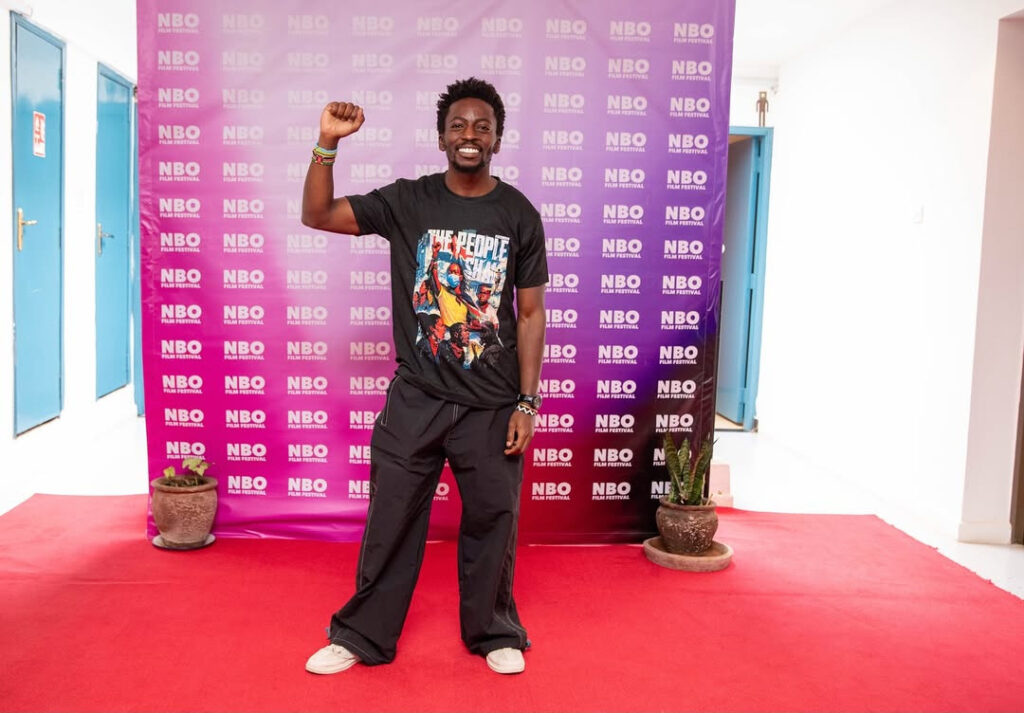
The Blood Parliament fallout
The documentary already put Wambugu under intense scrutiny while he was alive.
In May 2025, he and three other filmmakers were detained shortly after the film’s release. Activists called it intimidation. Media freedom groups condemned it.
Later, Wambugu claimed spyware had been installed on his phone while it was in police custody. Independent forensic analysis by Citizen Lab backed him up. That revelation caused another wave of online outrage.
Some influencers who had initially defended state agencies quietly deleted earlier posts. Others locked their accounts.
Now, with his death, those moments are being revisited line by line.
How Wambugu responded before his death
Wambugu never fought the backlash with insults or viral clapbacks.
He kept filming. He kept documenting. He spoke carefully and sparingly online.
Friends say he was more concerned about the work than the noise. Even as court cases dragged on and his health declined, he reportedly asked for proceedings related to Blood Parliament to be postponed because he was too weak to attend.
His lawyer confirmed that request. It added another layer to the public reaction.
Tributes, tension, and an uncomfortable silence
Since his death, tributes have poured in from activists, filmmakers, and public figures. Human rights campaigner Hanifa Adan called the loss tragic. Colleagues described him as ethical, brave, and deeply committed to justice.
But the tension remains.
Under many tribute posts, the comments are split. Some mourn. Others demand accountability. Others ask why courage is only celebrated once it is no longer dangerous.
Nick Wambugu is being remembered as a filmmaker who lived the stories he told. Online, his legacy has become more than film credits.
It has turned into a mirror. And a lot of people do not like what it reflects.
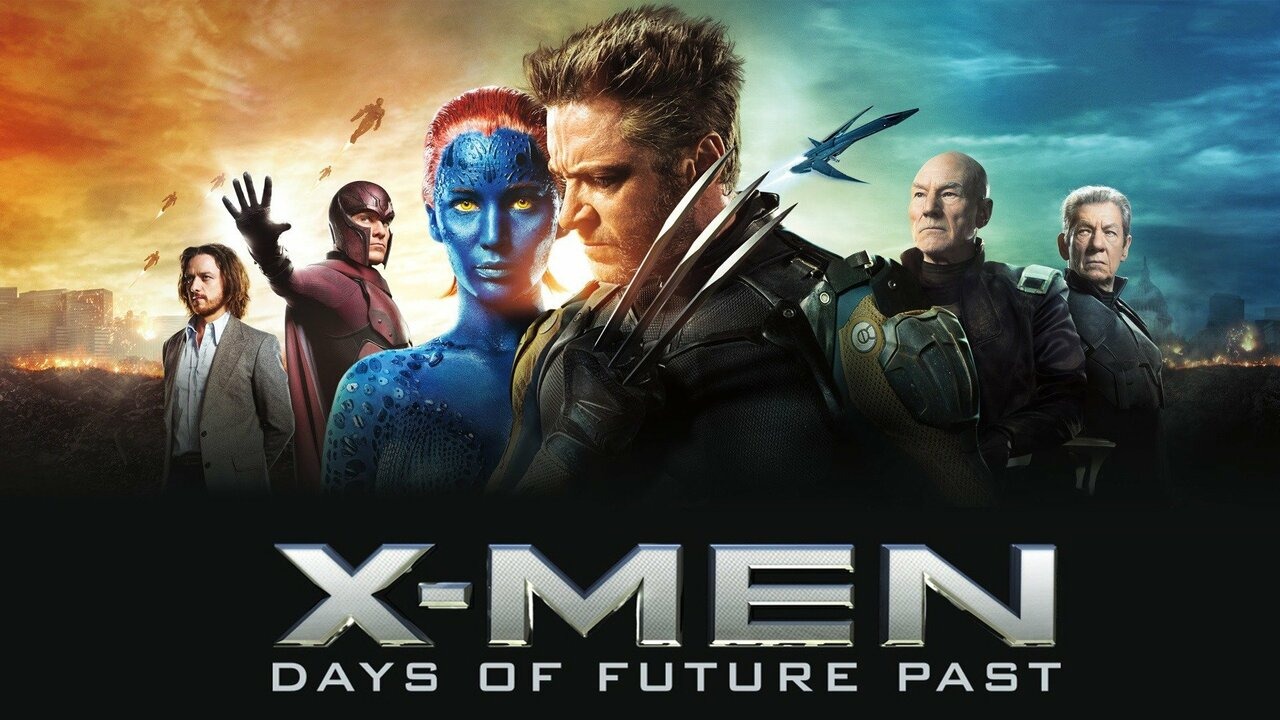
Simon Kinberg, known for his work as a writer on several X-Men movies, credits “X-Men: Days of Future Past” as a trailblazer in the realm of multiverse films.
This 2014 film, directed by Bryan Singer, has gained increasing recognition in recent years, especially in light of the less successful sequels in the franchise.
The story is set in the 1970s, where mutants, led by Charles Xavier (James McAvoy) and Magneto (Michael Fassbender), must unite to prevent a future war.
In 2023, Sentinels created by Trask Industries hunt and imprison mutants in extermination camps, leading to a complex narrative that spans different timelines.
The film brought together stars from the original X-Men trilogy and the prequel saga, setting a precedent for the integration of multiverse concepts in comic book adaptations.
Kinberg believes that “X-Men: Days of Future Past” laid the groundwork for future multiverse storytelling, including in the Marvel Cinematic Universe (MCU).
In an interview with Polygon, Kinberg noted that while the film doesn’t delve into high science fiction elements, it explores the science fiction trope of time travel, which expanded the possibilities of storytelling beyond linear Earth-based narratives.
The competition for dominance in the African streaming market is heating up, with Netflix leading the way with an estimated 7.4 million subscribers, followed by Showmax (4.4 million subscribers) and Amazon Prime Video (3.14 million viewers). Digital TV Research predicts that by 2029, Africa will see an additional 10 million subscribers, pushing video-on-demand subscriptions to 18 million.
Netflix and Showmax are the key players in this evolving landscape. Netflix is expected to almost double its subscriber base, while Showmax aims to more than triple its numbers, primarily due to a strong focus on rich local content, sports rights, and the addition of content from major studios.
Despite this growth, SVOD penetration in Africa is projected to remain relatively low, with only 7.7% of TV households subscribing to at least one service by 2029.
MultiChoice, the parent company of Showmax, has launched DStv Stream, an enhanced app aimed at improving the viewing experience, particularly for sports enthusiasts, by offering features like localized sports commentary and dedicated sports pages.
Netflix, in addition to reducing subscription fees in some African countries, is actively investing in local content development to attract more subscribers. MultiChoice has also emphasized local content, with 50% of its general entertainment spending allocated to local productions, achieving a library of over 76,000 hours and a 9% annual production increase.
Amazon Prime Video is expanding its library of local originals and acquisitions, with a focus on South Africa and Nigeria. They’ve hired Gideon Khobane, a former MultiChoice executive, to oversee growth in these areas, and have already premiered local comedy and drama originals, along with local acquisitions.
Overall, the African streaming market is growing, and competition among these major players is intensifying as they invest in local content, tap into talent, and enhance the viewer experience.

Mike Sonko Quits Alcohol and Nightclub Business to Draw Closer to God

Apology or Damage Control? Sammy Kioko’s Sister Sparks Online Storm After KSh19M Dispute Video

IShowSpeed Breaking Career Records in Kenya

New Trailer For The Color Purple Movie Musical

Ant-Man 3 Producer Explains Why MCU’s New Villain Kang The Conqueror Is More Dangerous Than Thanos

“Filming The Real Housewives of Nairobi While Pregnant Is Tough” Vera Sidika
-
 Entertainment2 years ago
New Trailer For The Color Purple Movie Musical
-
 Entertainment3 years ago
Ant-Man 3 Producer Explains Why MCU’s New Villain Kang The Conqueror Is More Dangerous Than Thanos
-
 Celebrities3 years ago
“Filming The Real Housewives of Nairobi While Pregnant Is Tough” Vera Sidika
-
 Entertainment3 years ago
‘Warrior Nun’ Set to Return as Movie Trilogy After Netflix Cancellation
-

 Anime3 years ago
Miyazaki’s Final Film “The Boy and the Heron” Remains Mysterious After New Images
-

 Anime3 years ago
The Boy And The Heron: First Trailer For Hayao Miyazaki’s New Studio Ghibli Film
-

 Celebrities3 years ago
Thor 5’s New Villain Will Be More Powerful Than Hela
-

 Anime2 years ago
Showmax Sets First Original 2D Animated Series ‘Twende,’